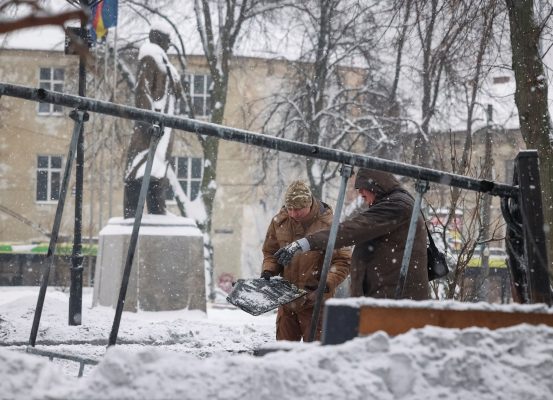
The Kremlin’s relentless assaults on electricity generation and transmission have threatened essential services in Ukraine, including the loss of heating and water supplies in the depths of winter. While the population fought the cold and engineers patched shattered systems, plans were needed to rebuild and transform Ukraine’s energy sector, increasing its resilience.
Once a major electricity exporter, Ukraine’s energy system has been severely damaged, with more than 19 GW of installed capacity lost to damage or occupation. Data from November showed just 13 GW of available capacity was operational throughout the winter, while the country needed 18 GW to prevent blackouts.
Electricity imports from the EU could only provide up to 2.1 GW, and the shortfall was a critical challenge that will need to be addressed by extensive international collaboration. Official advice to address this issue was provided ahead of the 2024-2025 heating season.
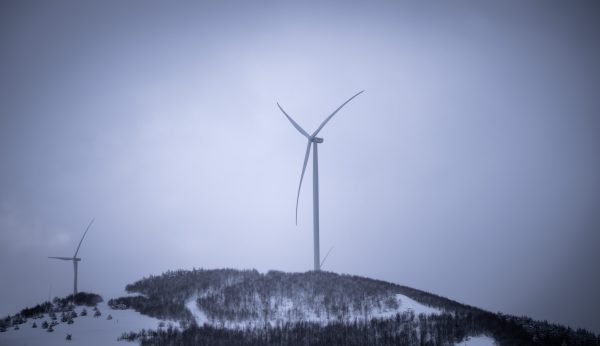
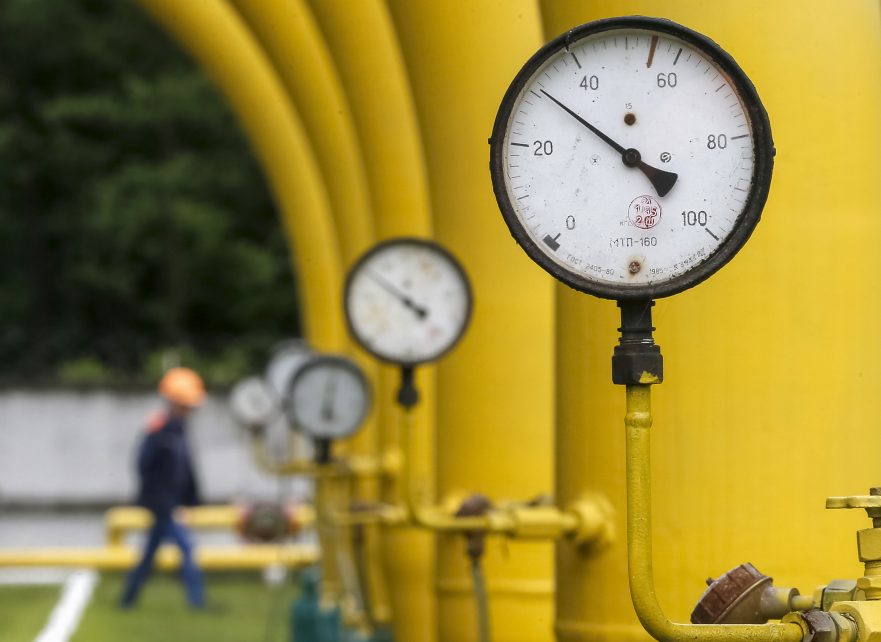
International Energy Agency recommendations include enhancing physical and cyber security for infrastructure and extending storage capabilities and decentralized energy sources, such as solar and wind power. Increasing transmission capacity with the EU and promoting energy efficiency are also essential for immediate and long-term stability, along with better gas import and storage capacities.
While these steps are crucial, deeper systemic reforms are necessary, particularly in tariff formation and market competition, for the medium- and long-term, according to a report by the Florence School of Regulation and the Dixi Group. Closer alignment with European Union standards would also improve Kyiv’s readiness for joining the bloc.
The EU and international donors have pledged substantial assistance to Ukraine’s energy sector, including the EU Energy Support Fund, that now amounts to more than €2bn ($2.1bn) in total. The bloc said on February 24 that it aimed for a “full coupling” of its electricity grid with Ukraine’s by early 2027.
But serious issues remain. While Ukraine’s Ministry of Energy has prioritized assistance requests and streamlined customs procedures have facilitated equipment imports, funding gaps persist. Installation and commissioning costs are often excluded from aid packages, for example, adding to pressure on local resources.
Structural challenges further complicate reconstruction efforts. Many energy facilities require comprehensive repair and rebuilding, including administrative buildings and relay halls, which are not covered by existing funds. Restrictions on assets, like vehicles and fuel, also create operational bottlenecks and delay critical maintenance.
The limited presence of European service providers in Ukraine has affected equipment maintenance, while differences between Europe’s manufacturing priorities and Ukraine’s reconstruction needs have led to equipment shortages, including small-scale combined heat and power units.
International funding should be expanded to cover installation costs, and European service providers should be encouraged to establish operations in Ukraine and align manufacturing to its reconstruction needs. Strengthening coordination between donors, manufacturers, and Ukrainian operators will also optimize resource allocation and efficiency.
The diversion of skilled personnel for military service, casualties, and population displacement have exacerbated skill shortages in the energy sector, which has an aging workforce and struggles to attract specialists from outside the country.
The transition to renewable energy and digital technologies will require new skills, and education programs will need to be updated while specialized training centers must be established. Integrating EU standards into university curricula and fostering partnerships with energy companies will help create a steady pipeline of qualified professionals.
Short-term measures, such as emergency training programs and retention incentives, should be paired with medium and long-term strategies, including regional centers of excellence and structured professional certification systems.
Ukraine’s National Energy and Climate Plan (NECP), adopted in June, outlines key objectives to align the energy sector with EU decarbonization goals, including achieving climate neutrality by 2050 and increasing renewable energy’s share of total consumption. It also emphasizes energy efficiency, market integration, and technological innovation.
Short-term measures should align with NECP objectives where possible, ensuring consistency with decarbonization and energy efficiency targets. The NECP must remain a “living document” regularly updated to reflect evolving circumstances, and a dedicated team of EU and Ukrainian officials could help ensure progress.
Ukraine’s rich mineral resources and IT expertise will also make it a valuable partner in sectors like renewable energy, battery production, and semiconductor manufacturing, while digitalization will play a crucial role in the energy sector’s transformation.
The systematic targeting of energy infrastructure by Russian forces aims to cripple Ukraine’s economic and humanitarian stability, with high-voltage substations, thermal power plants, and hydroelectric stations recurring targets.
As Kyiv navigates the complex interplay of immediate recovery and long-term transformation, its energy sector will serve as a barometer of broader national resilience. The challenges ahead are formidable, but through a combination of national determination and international solidarity, Ukraine has the opportunity to build a modern, sustainable, and integrated energy system.
By exploiting its strategic position and aligning with EU priorities, the country can emerge as a key contributor to Europe’s energy and industrial future. Achieving this vision will require sustained commitment, adaptive strategies, and a steadfast focus on both short-term needs and long-term ambitions.
Olena Lapenko, General Manager for Security and Resilience at Dixi Group.
Europe’s Edge is CEPA’s online journal covering critical topics on the foreign policy docket across Europe and North America. All opinions expressed on Europe’s Edge are those of the author alone and may not represent those of the institutions they represent or the Center for European Policy Analysis. CEPA maintains a strict intellectual independence policy across all its projects and publications.

War Without End
Russia’s Shadow Warfare

CEPA Forum 2025
Explore CEPA’s flagship event.